When Dr. Gopal Ji Trivedi, a renowned agricultural scientist from India, passed away, his legacy didn't fade—it actually grew louder. The Government of India has honored him with the Padma Shri, one of the nation's highest civilian awards, in a posthumous recognition that brought pride to his hometown and the scientific community alike.
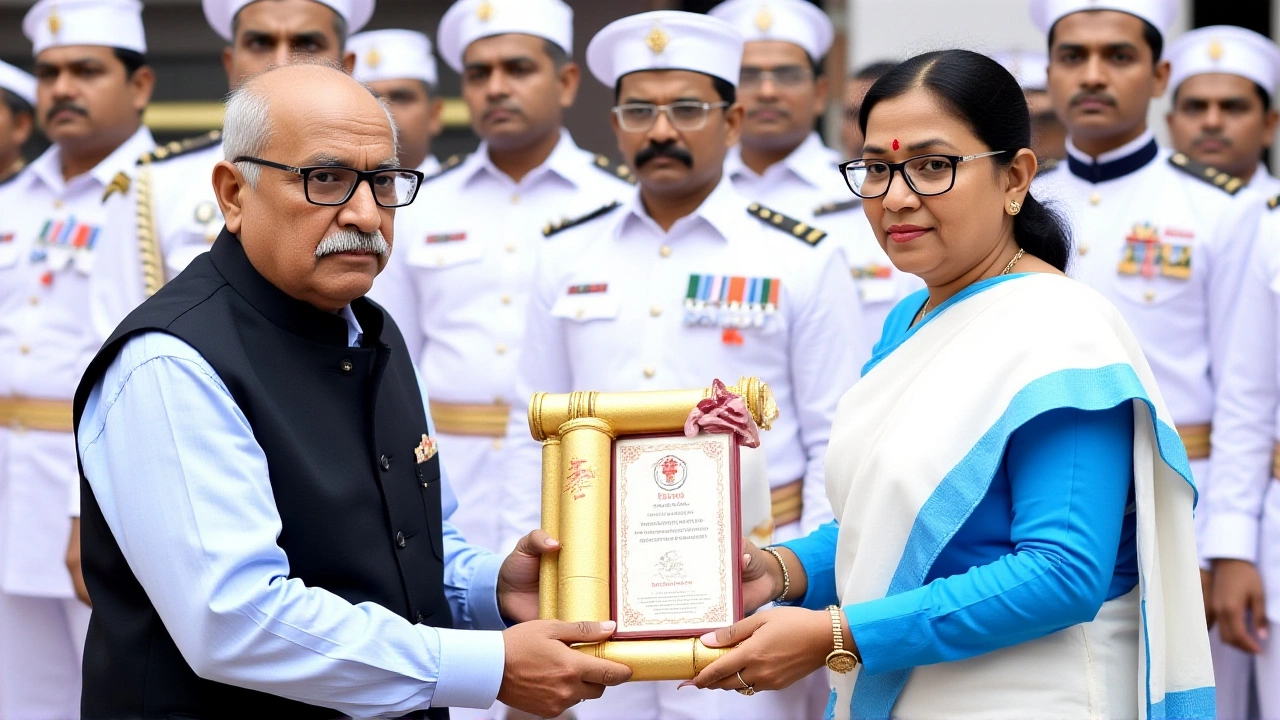
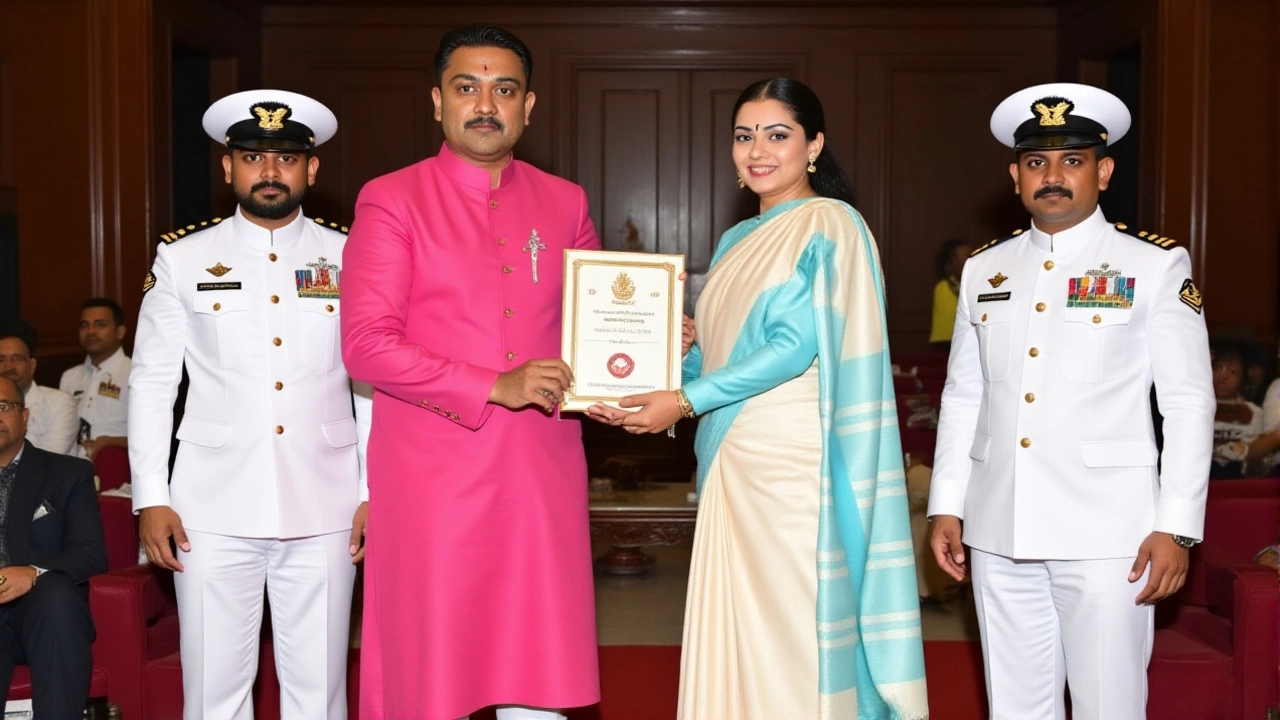
The award was presented at Rashtrapati Bhavan in New Delhi, where Dr. Trivedi’s son, Dr. Raman, accepted the medal on his father’s behalf. It was a quiet but powerful moment during the Republic Day honors ceremony, presided over by President Droupadi Murmu.
Here’s the thing: while national awards often grab headlines for celebrities or politicians, this recognition highlights the unsung heroes working in fields—literally. Dr. Trivedi spent decades advancing agricultural science in Bihar, specifically in the Muzaffarpur region, known as the lychee capital of India. His work helped local farmers improve yields and adapt to changing climate conditions, yet he remained largely unknown outside academic circles until now.
A Legacy Rooted in the Soil
Dr. Gopal Ji Trivedi wasn’t just another researcher; he was a pillar of the agricultural community in Eastern Uttar Pradesh and Western Bihar. For years, he worked closely with smallholder farmers, helping them navigate pests, soil degradation, and water scarcity. His approach was practical, not theoretical—he believed science should be accessible to the person holding the plow.
The details of his specific research papers are still being compiled by local institutions, but what’s clear is his impact. Farmers in Muzaffarpur credit him with introducing better irrigation techniques and crop rotation methods that boosted productivity by up to 15% in some villages. That kind of grassroots innovation doesn’t always make it to the front page, but it keeps families fed.
"He didn’t care about titles," said a colleague who wished to remain anonymous. "He cared about whether the harvest would come in. If it did, he was happy."
The Ceremony at Rashtrapati Bhavan
The presentation took place during the annual Padma Awards ceremony, a tradition that dates back to 1954. This year, like many before it, featured a mix of living legends and posthumous honorees. When Dr. Raman walked up to receive the award, there was no grand speech—just a solemn nod to his father’s memory and a handshake from President Murmu.
It’s worth noting that posthumous awards carry a different weight. They’re not just about celebrating achievement; they’re about acknowledging loss. For Dr. Raman, accepting the Padma Shri was both an honor and a reminder of what the country lost when his father died. He wore a simple white kurta, no jewelry, just the medal around his neck—a symbol of humility passed down from father to son.
President Murmu, known for her own humble beginnings as a tribal leader from Odisha, often emphasizes recognizing contributions from all sections of society. In her address that day, she highlighted how scientists like Dr. Trivedi form the backbone of India’s food security strategy.

Why This Matters Beyond Bihar
This isn’t just a story about one man’s accolade. It’s a signal about where India wants its future to lie. With climate change threatening agricultural output nationwide, the government is increasingly looking toward regional experts who understand local ecosystems. By honoring Dr. Trivedi, New Delhi is sending a message: your work matters, even if you never left your village.
Consider the numbers. India produces over 300 million tons of food grains annually, much of it from regions like Muzaffarpur. Small improvements in technique can mean millions of extra kilograms of rice, wheat, or fruit. Dr. Trivedi’s methods may have contributed to those gains without ever appearing in a national report.
Moreover, the timing is significant. As debates rage over farm laws and farmer protests, recognizing a scientist who stood *with* farmers rather than above them offers a rare moment of unity. It shows that policy and practice can align when leaders listen to those on the ground.
What’s Next for the Trivedi Legacy?
So, what happens now? Local universities in Patna and Lucknow are already discussing establishing a chair in agricultural sciences named after Dr. Trivedi. There are also plans to digitize his field notes and share them freely with farming communities across South Asia.
Dr. Raman has hinted at continuing his father’s work, possibly through a foundation focused on sustainable agriculture education. "The award belongs to him," Dr. Raman told reporters outside Rashtrapati Bhavan. "But the mission continues. We have more crops to save, more soils to heal."
In the coming months, expect to see more initiatives tied to his name—from workshops in rural Bihar to digital platforms sharing his research. The goal? To ensure that the next generation of farmers benefits from the wisdom he spent a lifetime gathering.
Frequently Asked Questions
Who was Dr. Gopal Ji Trivedi?
Dr. Gopal Ji Trivedi was a prominent agricultural scientist based in Muzaffarpur, Bihar. He specialized in improving crop yields and sustainable farming practices for smallholder farmers in Eastern Uttar Pradesh and Western Bihar. His work focused on practical solutions to soil health, water management, and pest control.
What is the Padma Shri award?
The Padma Shri is the fourth-highest civilian award in India, conferred by the Government of India for distinguished contribution in various fields including art, literature, science, sports, industry, medicine, social work, and trade & commerce. It carries no monetary value but holds immense prestige.
Why was the award given posthumously?
The award was announced after Dr. Trivedi’s passing, making it a posthumous honor. This means the citation recognized his lifetime achievements and ongoing impact on agriculture, even though he was no longer alive to accept it personally. His son, Dr. Raman, accepted the medal on his behalf.
Where did the award ceremony take place?
The ceremony was held at Rashtrapati Bhavan, the official residence of the President of India, in New Delhi. President Droupadi Murmu presented the awards to recipients and their families during the formal Republic Day honors event.
How does this affect farmers in Muzaffarpur?
While the award itself is symbolic, it brings renewed attention to Dr. Trivedi’s methods. Local institutions plan to digitize his research and train new generations of agronomists using his techniques. This could lead to wider adoption of his sustainable practices, potentially boosting crop resilience and income for thousands of farmers in the region.